Protein Powder for Beginners: What Nobody Tells You Before You Buy
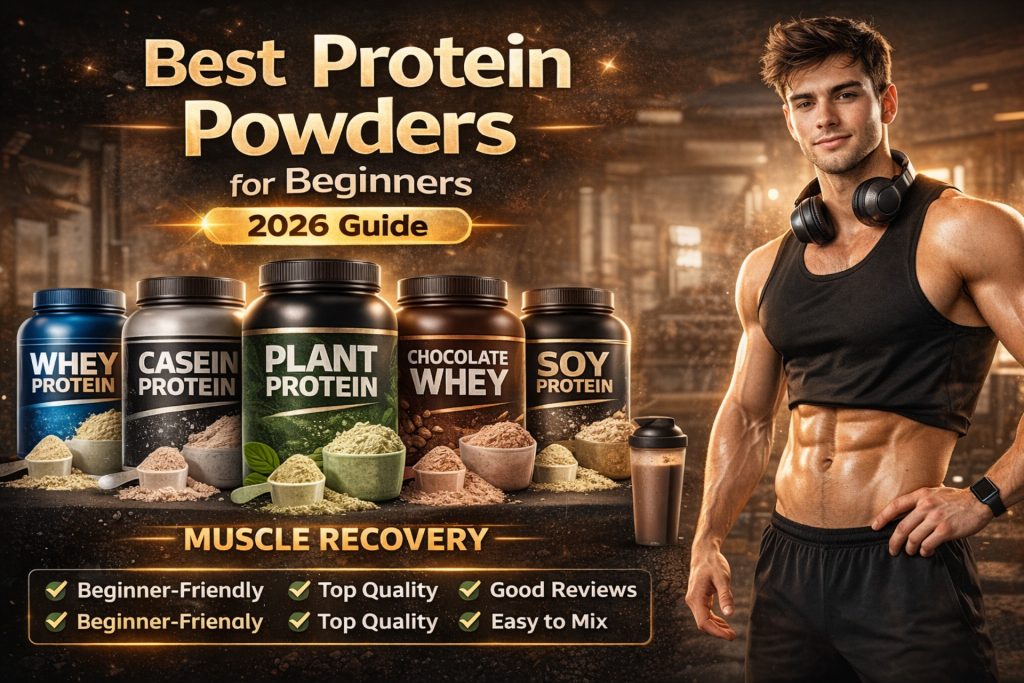
Walk into any supplement store and you will be staring at an entire wall of protein powders within seconds. Whey, casein, isolate, concentrate, plant-based, hydrolyzed — all of them claiming to be the best, none of them explaining what any of it actually means.
Most beginner guides tell you to “just pick whey.” That is not bad advice, but it is incomplete. The wrong protein powder for your body, your goals, or your diet can mean wasted money, digestive issues, or results that never come.
Here is everything you actually need to know before buying your first tub.
Do You Even Need Protein Powder?
Short answer: probably not. Long answer: it depends on whether you are hitting your protein targets through food.
Protein powder is not magic. It is not a shortcut. It is simply a convenient, concentrated source of protein. If you are already eating enough protein through whole foods, adding a shake will not accelerate your results.
However, most beginners are under-eating protein without realizing it. A common guideline for active individuals is around 0.7 to 1 gram of protein per pound of bodyweight per day.
For many people, reaching that consistently through food alone is difficult — and that is where protein powder becomes useful.
Why Protein Matters More Than You Think
When you train, you create small tears in your muscle fibers. Protein provides the amino acids needed to repair and rebuild those fibers stronger.
Without enough protein, your progress slows down.
Protein also: Keeps you full longer
Supports fat loss
Helps maintain muscle during dieting
Supports overall recovery and health
The Main Types of Protein Powder
Whey Concentrate
The most common and affordable option. Contains around 70–80% protein with small amounts of fat and lactose.
Best for beginners who have no issues with dairy.
Whey Isolate
More processed, with most lactose removed. Typically 90%+ protein.
Best for people who are lactose sensitive or want a cleaner product.
Casein
Slow-digesting protein that releases amino acids over several hours.
Best taken before bed or when you need long-lasting fullness.
Plant-Based Protein
Made from pea, rice, soy, or blends.
Best for vegans or people avoiding dairy. Quality varies depending on the blend.
What to Look for on the Label
Protein per serving: Aim for 20–25g
Sugar: Keep it under 5g
Ingredients: Short and simple is better
Sweeteners: Stevia, monk fruit, or minimal artificial additives
Third-party testing: Look for certified products
How Much Should You Spend?
Budget: $25–$35 — basic but effective
Mid-range: $35–$55 — better quality and taste
Premium: $55+ — branding and advanced formulas
Most beginners do best with a mid-range option.
When and How to Use It
Post-workout is the most common use, but total daily intake matters more than timing.
You can also use protein powder: As a snack
With breakfast
Before bed (casein)
Mix with water for fewer calories or milk for a creamier shake.
The Simplest Starting Point
If you are unsure what to choose:
Start with a whey concentrate from a trusted brand. Look for 20–25g protein per serving, low sugar, and a simple ingredient list.
Use it once a day and focus on building a consistent diet around whole foods.
The Bottom Line
Protein powder is a tool. It works when used correctly — and does nothing if your overall routine is not in place.
Get your training consistent. Hit your daily protein target. Sleep well.
Then use protein powder to fill the gaps.
If you are just starting out, a simple whey protein is more than enough.
Focus on consistency first — optimization comes later.